
Yota - The Touch
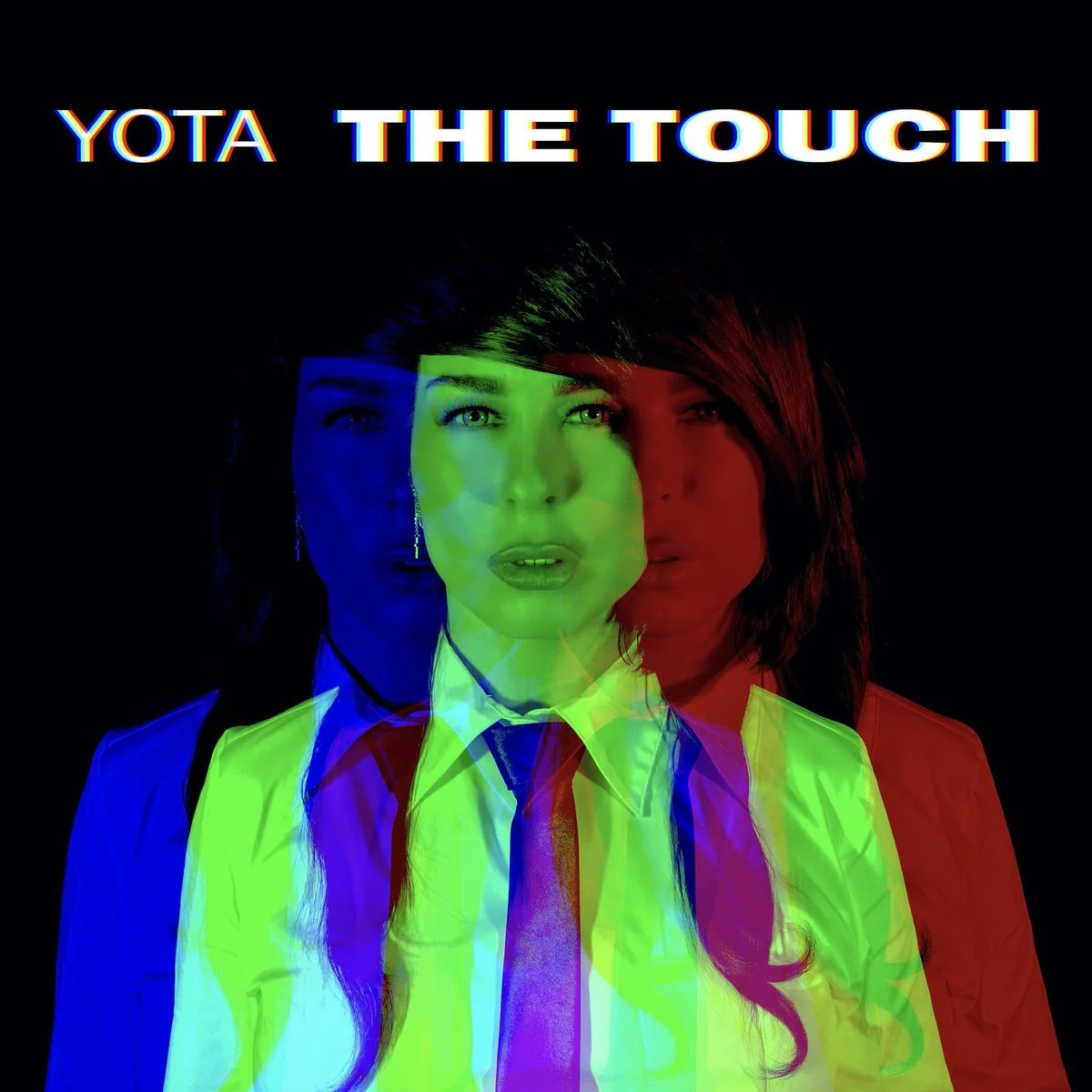
Review by Karl Magi
Overall Album Impressions
Yota’s “The Touch” captures all of the fierce intensity and heartbreaking pain that comes with loving. The way in which LifeLike’s production wraps around Yota’s beautifully nuanced and powerful vocal performances deepens the emotive strength of the lyrics she has crafted. The music ranges in mood from affectionate and playful to darkly broken and aching, each shift in atmosphere supported by the producer’s ability to weave a framework that strengthens the vocalist’s performance and amplifies the emotions permeating the songs.
Anchoring “The Touch” are Yota’s vocal abilities and expressive performances. She can slice with painful honesty, reach out with sensual passion and fill her voice with need and yearning that pierces me. Each song showcases her ability to translate lyrics into direct, dynamic expression. Yota engages me with her interpretation of the words she’s written, taking me along on the album’s journey. The way she captures the heart of the music makes for compelling listening.
Along with her vocal performances, Yota’s lyrical writing is essential to “The Touch..” The lyrics are touching, grasping me with their immediate and unvarnished expression. Each song outlines a different part of a complex and evolving relationship, drawing me toward the feelings being explored. I can relate my own life to the words she has written.
As for the production, each producer brings all of their skills to “The Touch.” The way they combine different synth tones, timbres and textures creates a supportive framework for the vocals. They fill the music with melodies that run from gentleness and affection to shadowed pain. The rhythms drive the music with energy and the sound design aligns with the album’s emotional tenor.
My Favourite Songs Analyzed
“At Night” opens as an actively bursting beat and a laser-bright synth dance with uplifting dynamism. A quickly swirling note pattern spangles the music as the pumping rhythm launches with dance floor-filling urgency. The tambourine adds another bright element while intertwining notes shift with a phosphor-glow.
The beat jumps as Yota’s dusky vocals shift with fervent feeling, carrying the melody. In the distance, shivering notes give off faraway light while the thudding beat is joined by tightly flickering tones. Yota enraptures me with her soulful performance, drawing me into the song’s heart.
Once again, intense radiance spills through the music as the low end skips easily. The drum beat is punchy while Yota fills her words with deep wanting. The synth dances with energetic brilliance while the rhythm drives on. The vocals are full of ache as the music moves on, smoothly entangled notes tumbling. The grounding pulse is steady and compelling before the song draws to an end.
“Why don’t you try with me?” is the narrator’s question for the song’s subject. She wants to know why the other person doesn’t put in any effort and she adds that they can’t “keep it low and hide.” She wonders if giving the song’s subject another reason might make them come her way. The other person gives her a meaningful glance as she says, “It’s hot and I feel alone.”
Our storyteller’s defenses are failing as she exclaims, “When it’s late at night, they start to howl at you.” She wants the song’s subject to howl at her. Once again, she asks, “If I give you just another reason, would you come my way?” Another powerful glance is exchanged and the storyteller adds, “Howl at me now.” As the song concludes, the narrator says, “I can hear them howling for you at night. I can hear them calling for two, that’s right.”
Softly staticky sounds move with a tremulous echo and a gently ticking beat begins to add form as “The Touch” comes into being. The chords drift with a wistful sensation before the strong drums and fat bass intertwine in a steady groove. Yota’s whisper-soft voice glides with ardent feeling as the rhythm continues to throb. The percussion creates a metallic, slipping sound as rich synth drifts with Yota’s voice, weaving a melody full of affectionate desire.
The underlying pulsation is velvety as Yota enchants me with her performance. Her vocals are breathy but strong while burnished tones glow like fire and vibrating notes shiver above the luxuriant bass. Ringing notes gutter like candle flames as the bass underpinning continues to flow below the levitating vocals. LifeLike's production drips layered warmth through the song. The groove is undeniable as Yota’s buoyant voice moves like tiny sparks rising into the night sky.
Ecstasy and love permeate the melody and the vocals capture the lyrics with effective expression. A broadly slipping synth flares like flames reflected in a mirror. Trembling notes in the distance contrast with the denser, full-sounding synth as it expands. Beneath it all, the foundational pulsation shimmies before the track drifts away into silence.
As our storyteller is drawn towards the song’s subject, she says it’s “systematic, step by step closer to the ecstatic.” The other person uplifts her mind and they meet “somewhere high above the sky.” She wants the other person to “level up and rise up to my mood” because it’s so divine.
The narrator and the song’s subject are “falling in love again with the touch” as she speaks of a slow delay while the other person vanishes “in your vision of me.” She says, “in my vision I still drown in you, slowly dive.”
“I’ll get lost and face the fire with your embrace,” she admits, because it’s “a burning flame, untamable like you.” Our storyteller realizes there’s no escape from the song’s subject because “when we start to feel fire, the fire burns in you.”
“Under the Rain” begins with washing raindrops and reverent notes that glide past with silky ease. Thunder rumbles as the rain continues to splash and the slowly floating chimes are joined by a sensually swirling beat. Yota's voice is breath-warmed and tender, full of aching expression and ardent feeling.
The melody is gentle and loving, reaching out to touch with a lover's fingers. A sense of relaxation and passion mingles in my mind as this song unfolds, guided by the vocalist’s enfolding performance that draws me into the emotional world of the lyrics. The rhythm is calming and carries me away while Yota's velvet voice takes hold of the ache and blazing intensity that characterizes this song.
Chimes sparkle like candlelight while the vocal performance slips all around me like silky sheets and a wandering saxophone drifts in the distance. Softly pleasurable out-breaths tremble as the rain falls and silence descends.
There's no good explanation for the things the narrator says are changing. She adds that she tried to “stop this locomotion,” but when the song's subject is around, she can’t fake it. She adds, “If you think that it's right, then why not come back for some more? It feels like before, then I'm not going to fight, am I?” She’ll catch the other person “if it feels like you’re falling” and stand by them because she’s coming to realize that “we can’t let this die.”
Our storyteller found the song's subject under the rain, “where our worlds collide.” That’s the place where she sees that “no one feels like you,” adding that she won’t see them cry. She continues, “Believe when I say that I thought there was no one that could make me feel this way.” She concludes, “It’s so different, come back to me baby, I wanna feel like before.”
An ephemeral sonic sweep is joined by a pounding bass to commence “Before Our Souls Divide.” Quickly vibrating sounds rattle as the punching foundation is joined by Yota’s floating, breathily caressing voice. The steadily driving beat creates a rhythmic flow and the melody is full of gossamer sensations. The way in which Yota's voice transmits the hopeful, still-hurting lyrics is deeply touching for me.
The synth spills brilliance while Yota adds power to her delicate vocals, deepening their expressive nature. The underpinnings are propulsive while the vocals trail like mist and the drifting notes tumble one over the other. An enchanted sensation permeates the vocal performance, cutting me to the core.
Continually intertwining notes shimmer while darker sounds drift. The toms add another percussive layer as the beat becomes unstoppable. The melody rises with intense fullness and heartbreaking sensation while the root pulse pushes on. The levitating vocals exhale before the track closes on enfolding tones.
“Before our souls divide, you burned it all down,” the storyteller says and each time she feels like she’s losing the song’s subject. She asks, “Did we lose it all, did we rise and fall?” Every time, she says the other person was the violent sun that “burned it all down,” leaving her wondering if they truly did destroy everything between them.
“Now it seems you couldn’t change, so we’ll break apart,” because the narrator realizes that “there’s just no way to tame a wild heart that never heals when we’re facing the night.” She asks the other person to turn out the light because “it’s in the dark the truth lies.” She tells them to cover their eyes and sacrifice because “we’ll pray before our souls divide.”
With the things the song’s subject does, our storyteller asks why they’re still holding on to her. She adds, “The things you feel when you’re all alone, open up your darkness and it’s pushing you away.” It seems to her that the other person is “holding fear deep inside your heart,” so they’re “pulling each other into the dark before we leave when we’re facing the night.”
Reverberating, elastic synth moves as Yota’'s voice wanders in haunting motion to start “One More Reason.” The tranquil synth flows with a sweeping drumbeat and Yota’s tentatively hovering vocal performance. The foundation is massive as the velvet-smooth vocals drift and tones with indigo luminosity spread out while the drums disappear.
Hushed emotion fills the vocals as the rhythm continues to skip smoothly, Yota capturing me with her soulful ache. The beat adds shape as the drifting vocals slip past in layers of satin tenderness. The background synth fills the music with sparkle as the vocals touch my ears with a broken sense of need.
Once again, the background takes over with soothing notes slowly trembling as the bass rebounds. Peaceful thought touches me before the underlayer pushes forward and Yota extends her emotionally complex vocals. Scintillating tones tumble one over the other as the continually throbbing rhythm gives the music shape. The song ends as the vocals glide with elegance.
Everything that the narrator and the song's subject had is gone, so "I can't give you more, baby." As another night passes with the other person away, nothing's the same as it was. It’s just "another night, another day where time stands still and you're gone." She still feels the same as before, but "we both know I can't give you more."
As our storyteller broke through and "violent forces cut me loose, breaking down the walls I had," she was brought back to life, but the song’s subject "knew to pull the strings that turned me mad," so she'll give them one more reason not to love her. She reiterates that she can't give the other person any more.
The light they once saw is fading and "it will all start to drift apart, these ties would not hold the weight a hundredth time," as the ground beneath the other person's throne breaks and there's "a silence that speaks louder than a lie." She concludes, "you made it all fall apart and I will watch it slow, we are losing this game."
“Hide” comes alive as a charging foundation launches with Yota’s voice climbing to the heavens, wordlessly conveying blazing emotion. Shimmering tones move above the heavily punching bass and clean drums while Yota's voice flies with fervent intensity. In contrast to the unstoppable underpinnings, her vocals rise with reverence and breathy gentleness to capture my heart.
The intense propulsion is cut by diamond chimes that sparkle into the twilight while the vocals touch like drops of starlight. The main melody captures loss with piercing strength, carried on Yota's glistening vocals. The grounding pulse adds muscle as a medium-high synth trickles, broadcasting its galactic brightness.
The lead synth exudes summer sunlight while the undulating low end presses forward. A synth solo sings with unbridled energy, spilling out hurt as it twists and leaps. The thunderous rhythm joins the soaring vocals and glittering notes, fragile and brilliant, as the full-throated vocals punch home the song’s message. The music closes with a warm wash of tones tumbling one over the other.
A sound lingers and the storyteller’s still holding on, but she knows “those days are gone.” She might not be the one the song’s subject wants her to be, but “I’ll be the one that stays, I’m the echo in your brain, the melody won’t die.” She says it’s important to realize that “faced eye to eye, it’s never gonna be what he wants to see” or what he wants to conceal from her.
Pattering drums and a churning, violin-like sound expand into action to kick off “Last Goodbye.” The electric bass deepens as vibrating tones create a tense sensation, tinged by tambourine shimmer. The lead singer’s voice is like a leaf in the wind as it aches and trembles, capturing the pain in the lyrics. Echoing vocals move with the mournful brass that calls above the strumming guitar, touching me with the brokenness.
Shining tones shiver and the percussion drops away as the vocalist grasps the damaged feelings in the music. As the track swells, the pain is slashed by a guitar that cuts sharply while the bass rumbles. The whole track exudes emptiness as the guitar climbs with bittersweet emotion, adding a blues-inflected voice above the churning low end before the piece closes.
As “the skies tonight are made of the colours that we like,” they illuminate the pain the narrator and the subject hide. The other person said she failed, so “we’re gonna make this the last goodbye,” and it will take everything she has to let go. A “distant cry says please let’s try,” but she knows it’s time. She misses their face, “I’ve never seen it shine so bright,” yet this must be the last goodbye. She will “slowly erase the sky, pretend that it doesn’t feel,” trying to forget the raw pain.
“Monster” starts off as resonant strings and calm piano mingle with thoughtful effect. The foundation softly touches as Yota’s trembling, hurt vocals carry the whispering melody with tear-invoking expression. The background sails smoothly, the production slipping around the words with subtle tranquility, contrasting with the darkness and shattered feelings within the lyrics.
The piano ripples with the strings, and I feel myself tearing up at the brokenness in Yota's voice. The guiding beat is fragile while the melody is full of a gentle filigree of melancholy. The vocals have depth and strength despite their light touch, feathery but compelling. As the piano chords grow stronger, the strings flash with warming light and tiny tones add an additional sparkle. Yota has an undeniably beautiful voice and carries the melody with wistful sensations before the music ends.
Her heart must be mistaken about “how hard it is to let you go” as the storyteller sails away in a “forever sea.” If it hurts, the song's subject will be “painfully ignored,” and when it begins to bleed, “I know you secretly adore the signs.” She asks if the monster is alive and “does it creep around and make you cry?” She adds that if it wants to live, “baby, kill it one more time.”
As the narrator stares deep into the eyes of the monster, “I saw it cry (like a distant sigh).” She says it's funny how it felt as if it was still alive, but “all the signs we used to chase are now invisible, only fractions of a monster could appear sometimes.” She’s come to realize that “If Heaven is calling” then the angels are falling and “we’ll never make them fly, so it’s over.” To conclude, she says she can’t take it and she’s gone, because the only thing left to see is “a monster in our minds.”
A majestic piano explodes with brilliant light to begin “This Time.” The piano chords are triumphant as the foundational beat dances with the sharp-edged, radiant synth. Percussion snaps cleanly as the background spills out encouraging luminosity. The bass is lush as the drums clatter in an even rhythm and Yota’s floating voice begins to gain strength.
The main melody exudes pure brightness into the music while the warming vocals tug at my heartstrings. The piano trembles with hopeful sensations. Yota carries a sense of movement within her voice as it slowly fades away along with the drums.
The narrator simply asks if they can work it out together and adds, “Let’s change this time.”
Conclusion
“The Touch” fills me with deep feeling and evokes a personal connection. This is music that delves into the nuances and challenges of loving another person, each song drawing me closer and leaving me satisfied by the experience.
My Favourite Artist Discoveries Of 2025

by Karl Magi
Each of these artists represents a new musical discovery for me this year (with the exception of Lovespirals & Donna Lewis who are rediscoveries). I've consistently enjoyed learning more about their music as I review it and each of them brings a fresh perspective or fascinating approach to music making which intrigues me. As with all the music I review, making choices is difficult because there's just so much good music out there on the scene, so these artists represent a selection of creators this year that really galvanized me or made me sit up and take notice.
Heartbreak City

Heartbreak City writes songs which create a sunlit charge, as they capture longing and the restless dynamism of youth. Jon Lilygreen anchors the music as his textured, tender voice rises skyward. Aled Rhys Evans’ synths pour through the songs like a crystal tide, spangled with sunlight, shaping each nuanced shading. Toby Davy’s production brings everything together in a cinematic whole to push the story forward.
The interplay between synth and guitar carries emotional weight as pellucid synth lines mingle with melodic guitar. The songs exhale tranquility before growing into driving rhythms that rocket toward the horizon. Sunrises, tropical nights, and summer winds form a backdrop, evoking memories that refuse to fade. Heartbreak, youth and desire along with an undercurrent of tender nostalgia runs through their music.
DRUMxWAVE
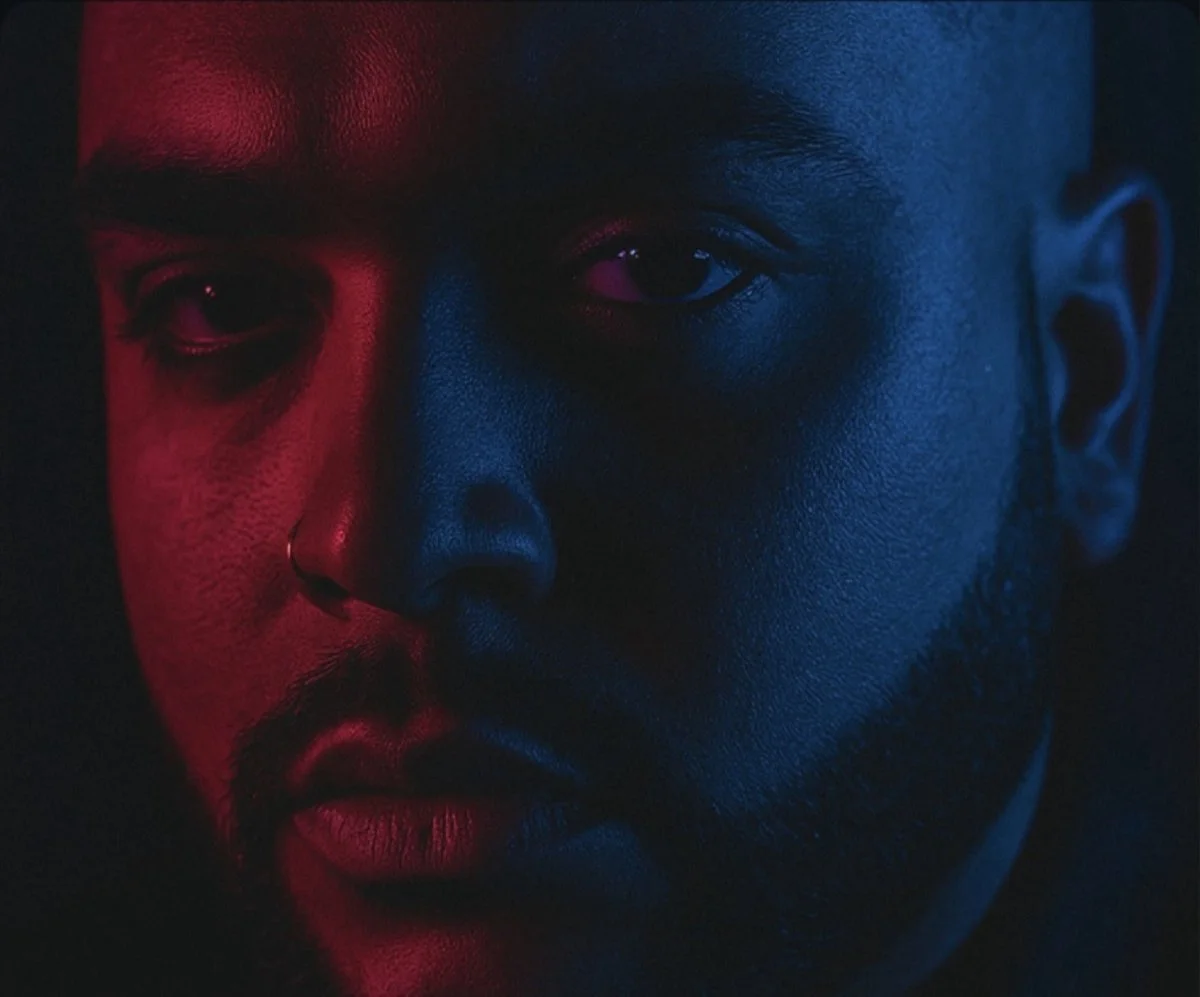
DRUMxWAVE (Juan Calixto) builds songs based on heartbreak, change and the struggle to reclaim one’s inner world. He brings together fierce drums, trembling synths and lyrics that explore bereft pain. His vocals are fervent as they anchor the songs, while vocal duets and interwoven harmonies deepen the music’s emotional gravity.
DRUMxWAVE’s drum performances propel each track with a powerful pulse. Starlight flickers from shimmering synths while volcanic guitar and blistering sax solos evoke moods ranging from triumph to fury and yearning. In contrast, more delicate elements flutter at the edges, billowing like clouds, offering a contrast to the rhythmic weight.
Dramatic rises and cataclysmic crescendoes pull me into the heart of each song, while drifting passages create a sense of fragility. Cosmic and elemental images permeate the music. Even as the songs fall quiet, DRUMxWAVE leaves a touching echo behind.
Neon Shards

Neon Shards’ music carries me through neon-lit cities and down cosmic highways as each track unfolds. The music is full of atmospheric imagery that weaves together impressions of sun-warmed poolsides and palm-lined boulevards to create chrome reflections. The melodies are bright, centred on escapism but touched by a melancholy glow that draws pictures of vanished summers and youthful dreams.
Neon Shards’s guitar moves through tenderness to fierce intensity. The solos expand each track’s horizon, creating images of roaring engines, sunrises and cosmic ascents. The synths are layered with glassy tones, glistening bells, and radiant timbres to create rich depth.
The rhythms are a driving force, as throbbing basslines and snapping drums shape the music’s kinetic energy. Through it all, the music carries me on far flung journeys as Neon Shards creates a tapestry of feeling and emotive expression.
Autumn White
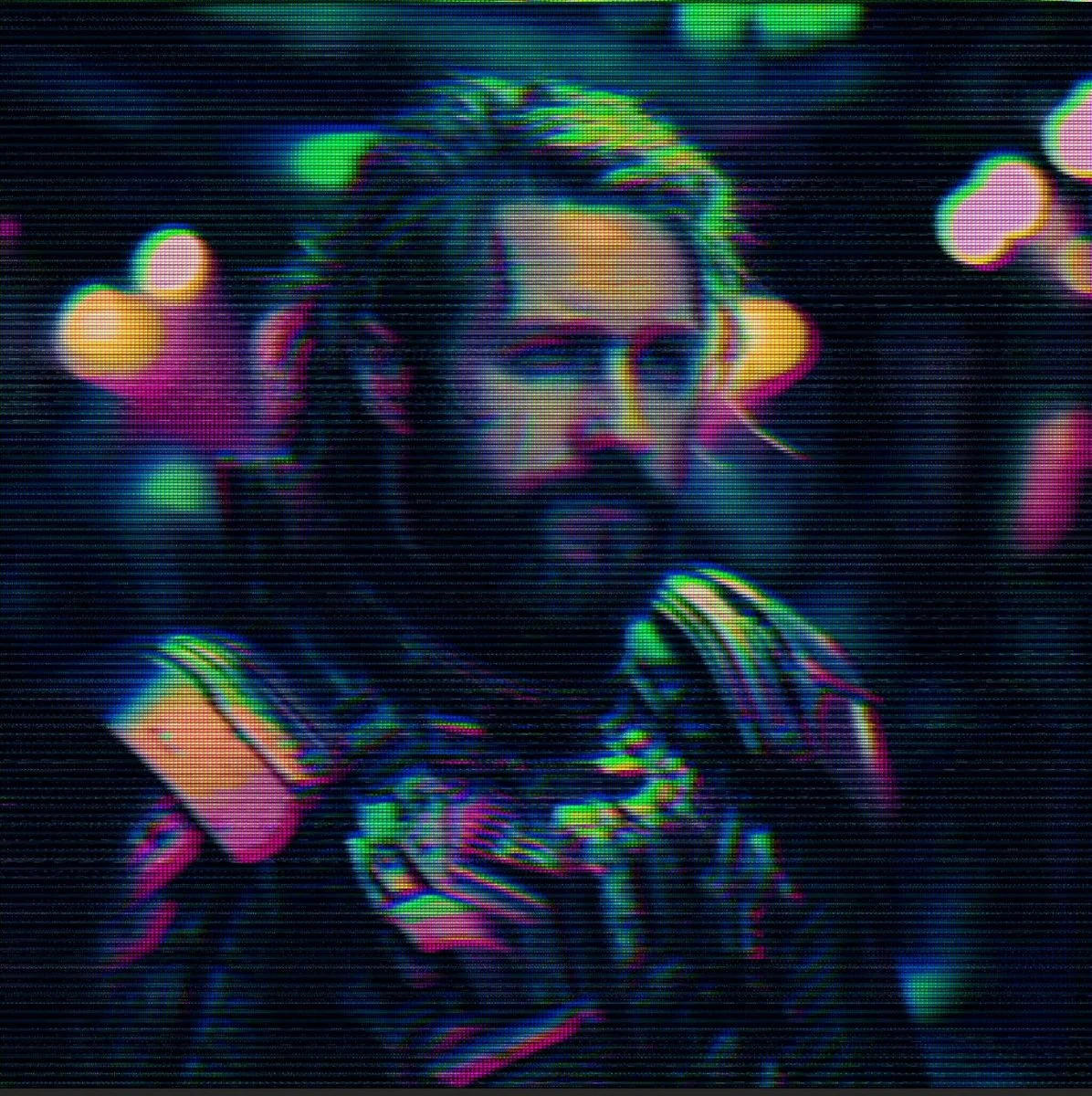
Autumn White’s songs paint intimate portraits of yearning and the razorblades hidden in love. His voice, breathy and trembling, reflects vulnerability and contemplative depth. His melodies exude wistful melancholy, aching with emotion as they pierce me.
His production weaves an intricate web of contrasts. Misty synths hang in the air, flickering at the edges, while sharp-edged tones and a pulsing low end cut through with urgency. Drums stutter beneath the vocals as they capture turbulent emotion. The songs explore close personal connections, often with elusive or intoxicating characters, as they roam through fractured landscapes of feeling.
Dream imagery drifts constantly through the music, blurring the lines between memories and hallucinations. Autumn White’s world is one where truth glimmers through hazy light and disappears into the ether.
Dress To Impress

Dress To Impress writes music that wanders through broken landscapes of longing, hope, connection and loss. His vocals shift from raw vulnerability to haunting distortion, capturing a full spectrum of feeling that pulls me deeper into each story. Around his expressive voice, he builds luminescent sonic layers of crystalline bells, gleaming xylophone and atmospheres that wrap the melodies with lush light.
Gliding drums, pounding beats and rumbling bass lines create a sense of constant forward motion even when the emotions tremble. The songs often balance delicacy and power as twinkling tones collide with explosive rhythmic bursts, creating cinematic drama.
Images of rain, sunrise and fading light and lost motion gives each track a visual presence, as the music unfolds like a movie. Neon drenched, ‘80s inspired synths add a drifting retro haze. Dress To Impress creates a sound that explores the heart’s storms with colour, depth and clarity.
Donna Lewis & David Lowe
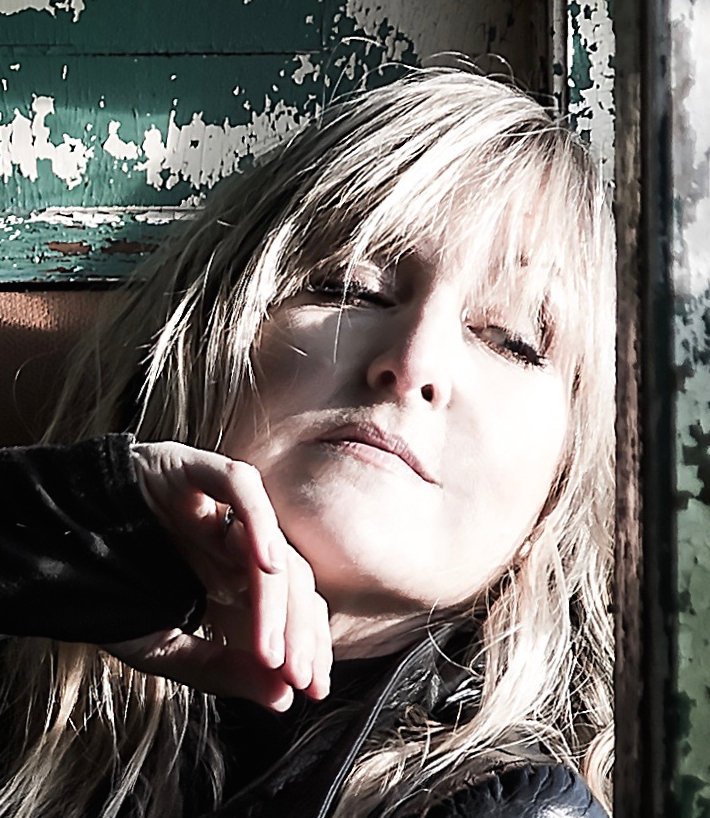
Donna Lewis and David Lowe shape gently glowing psychological journeys, anchored by Donna Lewis’ flexible vocals. Her voice carries the music’s emotional essence and impact. David Lowe’s production surrounds her performances in a carefully woven textural tapestry as synths create tonal layers that softly cradle the melodies.
The music creates a graceful contrast that evokes the rising and falling of emotive tides. The way in which the tracks guide the listener as they search, question and yearn for connection. The songs are filled with imagery of roads, mountains, valleys, distant lights and vast skies.
As the songs unfold, the narrators take internal journeys as they explore love, loss and a desire for connection in a disorienting world. Warmth and tenderness are at the heart of each track, even in moments of doubt or sorrow. The results are introspective and gently human as they unfold.
Lovespirals

Lovespirals music is full of soft shadows and slow-burning intimacy. Anji Bee’s breath-warmed vocals are aching and wistful as they drift with fragile sensuality that’s deeply personal and affecting.
Ryan Lum’s guitar further shapes the expressive tone, capturing the drifting feeling that runs through so many of their tracks. Subtle percussion, gentle piano and distant synths fill in the spaces with atmospheric quiet and jazzy riffs.
Fear of loss, distance and unresolved wounds fill the music with heart. The lyrics probe the contours of regret, invisibility and a fear that love is slipping away, using imagery of drowning, drifting, floating, or cosmic motion to deepen the emotional weight. Slow, dreamy tempos mirror the lyrical depth, creating songs that are soft, sorrowful and full of vulnerable honesty.
Arcade Beach
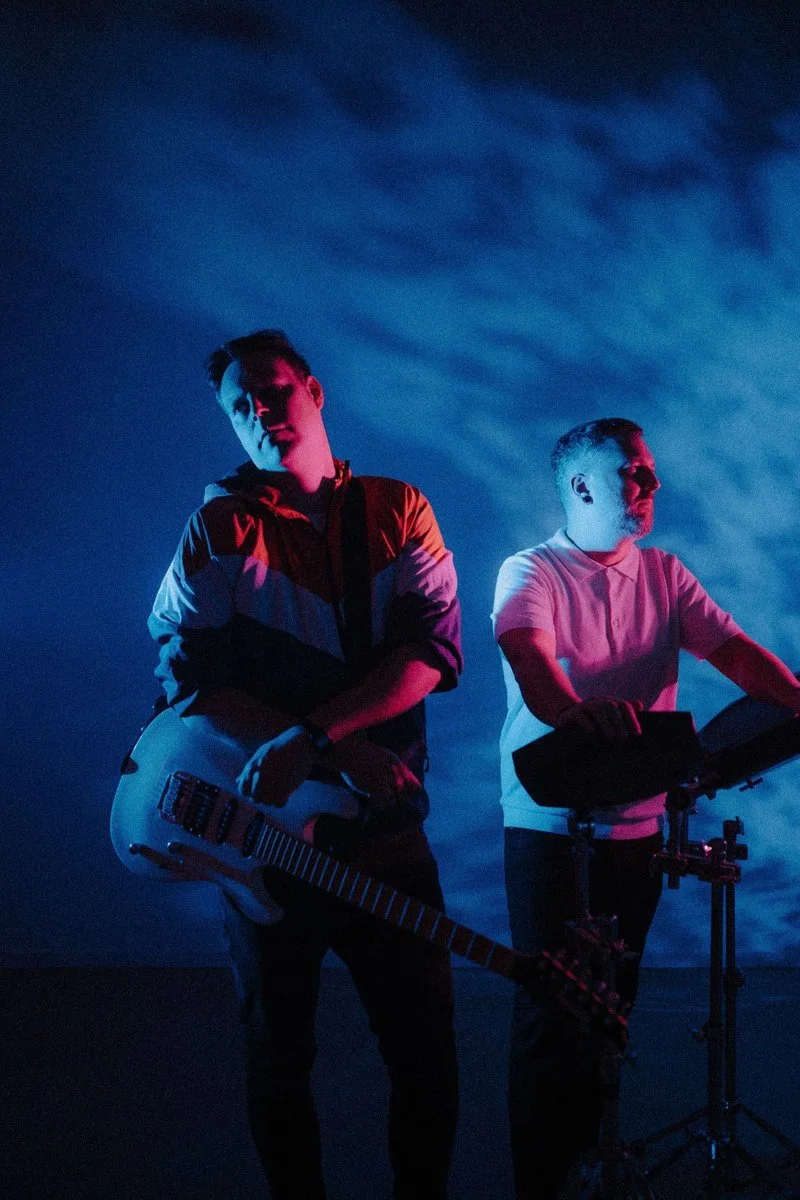
Arcade Beach crafts music that transports me on beams of light, creating a sunrise blush over an open horizon. The band’s sound is built on layered synths, expressive guitar and massive ’80s-infused drums that limn uplifting landscapes. Each song has a sense of seeking pathways toward renewal or escape. Even when there’s hope, a bittersweet undercurrent flows, as loss and healing intertwine.
Nick Sauter’s vocals deliver all of their feelings with sincere tenderness. Airy melodies rise into gripping choruses, as vulnerability fills his voice. The lyrics ache for meaning and belonging, seeking a way out of distance, while baring his soul.
Arcade Beach’s songs take journeys through neon twilight, balancing aching reflection with rising hope. As the songs evolve, light breaks through the haze and the music rises with feelings of renewal.
NeonShe

NeonShe writes songs centred around larger-than-life protagonists who blaze with confidence and have an unstoppable drive. Her world is vibrant with cotton-candy hues, glossy textures and pixel sparkle, amplifying the persona at the heart of her music. Each song leaps forward with an engaging, lively energy.
Her vocals capture power and vulnerability with a silken edge, as they soar through choruses and drift across digital dreamscapes. NeonShe blends organic and digital elements , supporting songs which move through aspiration, transformation and connection. Her explorations pause for moments of self-reflection before returning to more positive feelings.
The songs revolve around self-worth, identity and desire. Longing and intent mingle before resolving in determination and a need to move forward. NeonShe’s songs tell the stories of characters who shine so brightly that they reshape the world around them.
Beachdolls

Jessica Ess creates music in which myth and moonlight intertwine. Each song’s supernatural imagery is used to reveal deeper truths. Her songs drift through desolate streets and cities haunted by those who never sleep. Within the stories, desire hides jagged edges and love dissolves into loss.
Floating synth, gripping guitar lines and Rob Nordli’s velvety saxophone add depth as heavy percussion crashes like waves. Jessica Ess’ vocals shift from whisper-soft confessions to powerful cries. The music’s vocabulary is made up of tumbling melodies, cascading textures and flickering tones that escape like memories slipping away.
Beachdolls’ explores longing, struggle and identity. The songs delve into toxic relationships and damaging attraction. A sense of drifting between places and selves fills each song. In the end, Beachdolls creates intimate, shadowed and deeply felt music.
Stacy Gabriel
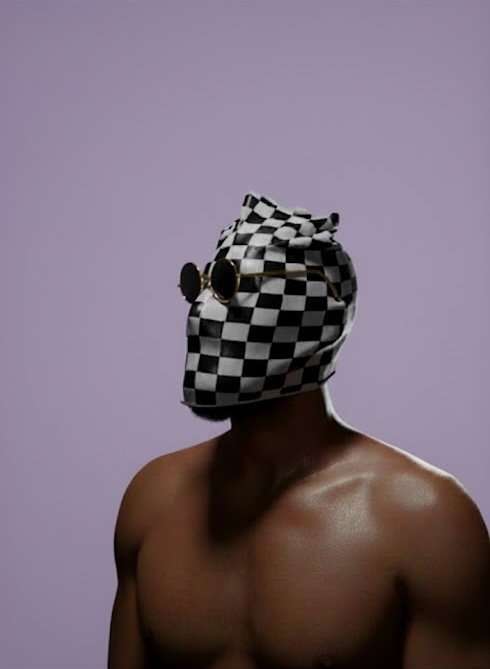
Stacy Gabriel’s music drifts through misty emotional landscapes where trust is fickle and hope flickers briefly while truths emerge with clarity. The lyrics are full of people trying to understand each other across psychological distance, in search of meaning.
His soundscapes expand like petals opening to reveal secret layers, woven from tones, timbres and textures. Beats guide, patter or burst with intensity. Stacy Gabriel and his guests bring galvanizing emotion to bear as they interpret the lyrics, carrying me along with the undercurrents of sensation waiting within them.
All of the musical elements exist in a dreamy place of hovering tones, weightless chords and iridescent hues that create a cloudy haze, full of a warm retro glow. Stacy Gabriel’s music fuses emotion, an intertwining synth atmosphere and first rate storytelling.
All The Damn Vampires

All The Damn Vampires’ music wanders through jagged emotional terrain. Love is strained to the breaking point and devotion intertwines with hurt. The songwriting deals with rejection and desire, creating visceral monologues as they express fear, hope and the search for understanding
The band’s sonic world is sweeping and cinematic. Synth lines add gem-like light, drift like fog over midnight streets or contribute haunted warmth. Guitars charge the music with raw force, while drums gallop beneath the melody and towering basslines rumble like distant storms, anchoring the music.
Ryan Rose & Mint Simon’s vocals are each radiant and break open with passion. Their performances throb like exposed nerves, carrying damaged love, fiery yearning or the hollow ache of disconnection. Pain, devotion and hope rises and fall as each song weaves together.
Kraver
Kraver’s sound fuses emotional vulnerability and atmospheric richness. Each song delves into the complexity of relationships as synths move in finely woven lines, deep bass currents flow and percussion rebounds. The productions each reveal a facet of Kraver’s unique sound design and musical approach.
Kraver shapes fluid soundscapes which add support to his collaborative partners’ performances. The guest artist’s voices hover and pour outward with honeyed warmth, capturing regret, desire and self-awareness. Wistful melodies glide as the bass moves in a tidal flow, supporting vocals that reveal love's cravings and wounds.
Whether the narrator is pleading for affection, burning with desire or wrestling with guilt, the production delineates fine detail. Kraver creates sonic textures that mirror the lyrics’ intermingled emotions and rhythms ground the music in propulsive motion.
Synth Single Review: “Better Days" by Andrew Corbin
by Karl Magi
Andrew Corbin’s “Better Days" is full of serenity and hope. The song commences with a reverberating beat and snapping percussion before a metallic sweep is joined by a shaker. The bass rebounds as a descending sound is joined by a brief voice-over and the haunting pipes levitate with a digitally trailing sensation.
Andrew Corbin’s breathy voice traces through the music with a melody that is delicate and affectionate while open-sounding notes drift with exhaling elegance. The fragility of the vocals captures me with their surrounding tenderness while the underlying bass is joined by crisp drums. In the distance, softly swirling notes wrap around each other and the luscious bass rumbles.
The bouncing drums add fullness while Andrew Corbin’s vocal performance is hushed and full of calming smoothness as it glides and bends. The entire song exudes meditative qualities as Andrew Corbin breathes out warmth and encouragement before the music comes to a halt, choral voices fading away.
The narrator says, “I bet you know the way home to a better place” and he wants to follow the song’s subject “into better days.” It’s “another moment in time, lost in a memory,” another image in his mind that “fractures in front of me.” He’s found a passage through time, “music at night,” a “message wrapped in a mystery” and he follows the lights toward the hope waiting just ahead.
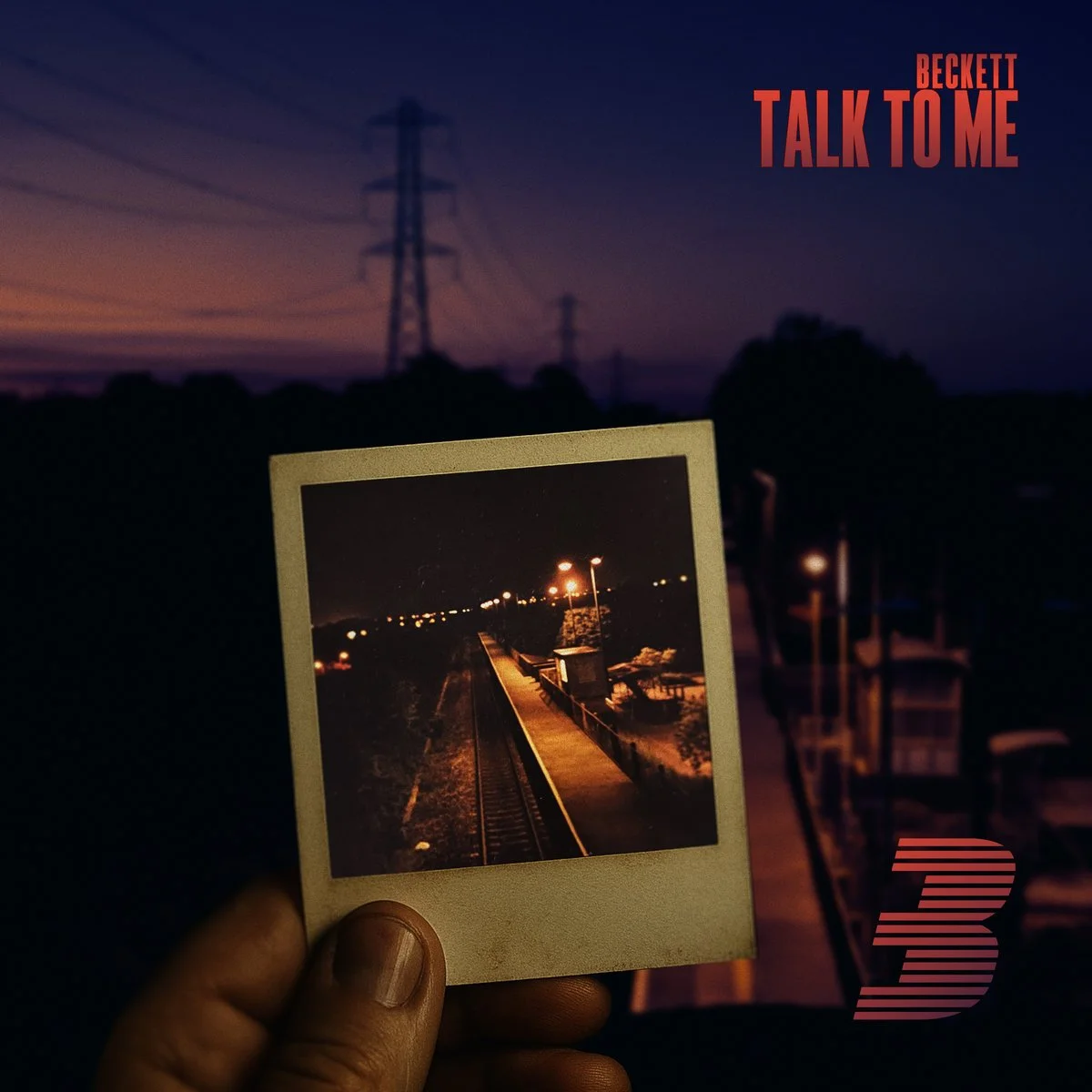
Synth Single Review: “Talk To Me” by Beckett
by Karl Magi
Beckett’s “Talk To Me” explores the need to reveal old secrets and clear the air. The song opens as soothing notes drift ethereally, creating a hushed fragility. Sharper sounds shiver in the distance as the tentatively brushing notes slow and the bass adds an electric crackle. The drums rush on while the scintillating synth exudes calming light and the bass pulse rumbles.
After orchestral hits, Beckett’s compellingly silky voice wraps around my ears and carries me into the song. Soulful strength erupts from the vocals as they explore the feelings within the lyrics. Another orchestra hit bursts as the chorus shines with dynamic agility, the rhythm pounding with excitement.
Brassy sounds add more radiance as chimes levitate delicately and the vocals slip with velvety grace. The underlayer drives forward as Beckett’s fervently burning voice captures all of the song’s sensations. The drums flourish and the chorus flashes with fire, driven by the throbbing underpinnings.
Luca Ricardo’s guitar leaps and flies, charging into a solo that pours out unadulterated power and yearning. Beckett’s lustrous, liquid voice blends with the blues-inflected guitar while the funky groove locks in with bending tones. As the song ends, Beckett’s vocals mingle with Luca Ricardo’s crying guitar, deepening the emotion.
It’s a mystery to the narrator that the song’s subject never thought about him until he came back. He adds that “it ain’t what it used to be—this town is 30 years down the track.” He isn’t here to reminisce because “I left when I did and only got one regret.” It’s getting late and he has his next connection. “In this dead-end town, you’re the only thing I can’t forget,” which makes him wonder if that’s why he returned.
He’s been waiting for the other person to speak their mind. “I’m back, I’m here, but not for long, so say what you’ve been holding on.” He wants to see the song’s subject one final time, reminding them, “Don’t you remember it was them who told me to go?” He insists they talk to him, as it may be the last chance to clear the facts. There are “secrets on every face,” and he isn’t home anymore and won’t be coming back.
“I need to know the truth. They covered it up, told me I should let you be,” he says of those who hid the other person away. He concludes, “I never understood why they said you had to leave. I now know—another lie.”
- January 2026
- December 2025
- November 2025
- October 2025
- September 2025
- August 2025
- July 2025
- June 2025
- May 2025
- April 2025
- March 2025
- February 2025
- January 2025
- December 2024
- November 2024
- October 2024
- September 2024
- August 2024
- July 2024
- June 2024
- May 2024
- April 2024
- March 2024
- February 2024
- January 2024
- December 2023
- November 2023
- October 2023
- September 2023
- August 2023
- July 2023
- June 2023
- May 2023
- April 2023
- March 2023
- February 2023
- January 2023
- December 2022
- November 2022
- October 2022
- September 2022
- August 2022
- July 2022
- June 2022
- May 2022
- April 2022
- March 2022
- December 2021
- November 2021
- October 2021
- September 2021
- August 2021
- July 2021
- June 2021
- May 2021
- April 2021
- March 2021
- February 2021
- January 2021
- December 2020
- November 2020
- October 2020
- September 2020
- August 2020
- July 2020
- June 2020