by Karl Magi
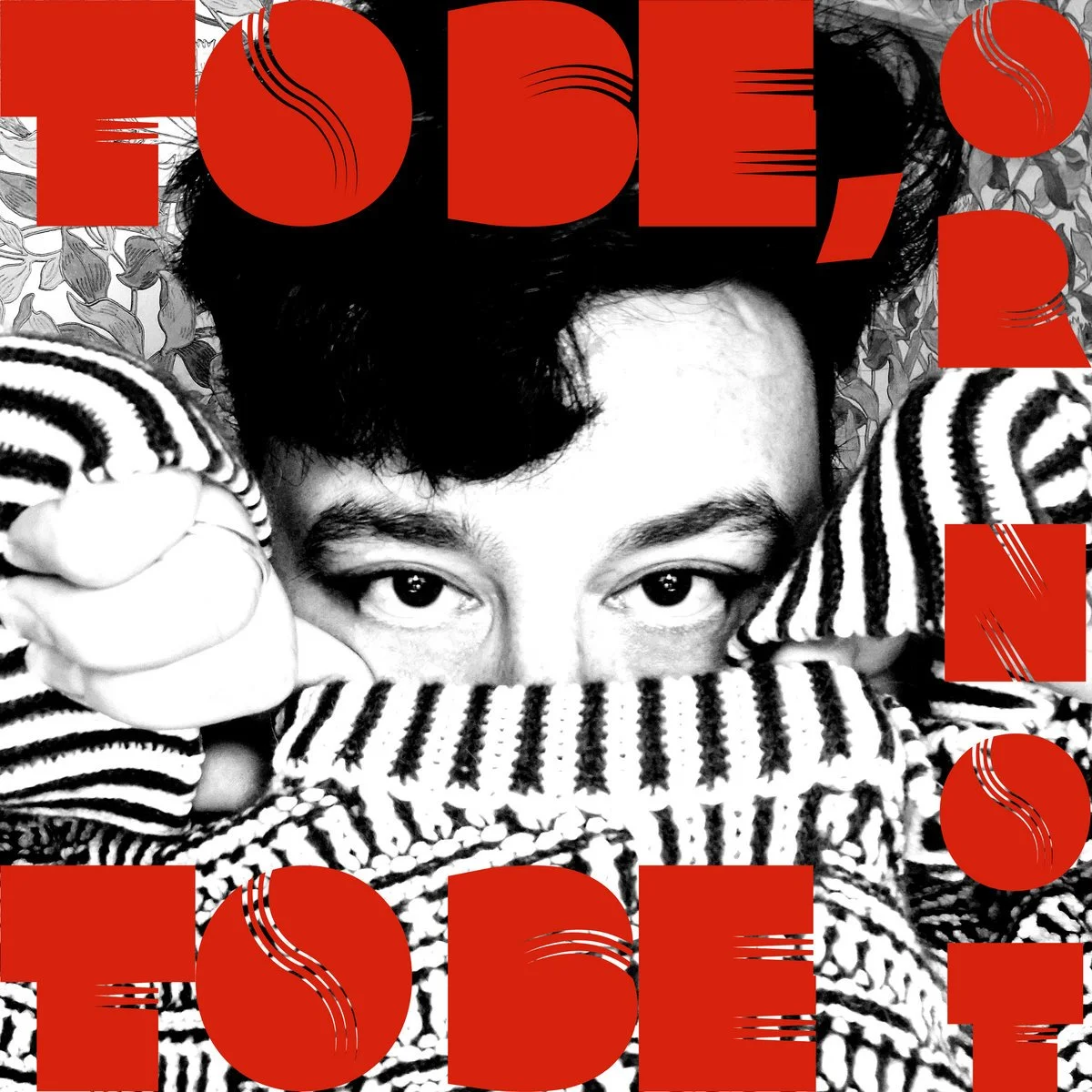
“To Be, Or Not To Be” has looming beginnings as the panting, wordless vocals create anxiety before Nicolas Rixon’s vulnerable vocals deepen the emotive weight. Rattling drums and reverberant percussion support the performance that shows off Nicolas Rixon’s theatrical style and engaging voice.
A cascading cello gives a trembling depth to the whispering, ardent vocals that infuse me with their intensity of feeling and distinctive sound. The rhythm is full of strength while the chorus lifts with burning expression as the exhaling, panting breaths are warmed by the cello’s shadowy tones. The song advances with intricacy and a harpsichord note pattern flickers before the song stops.
As our protagonist waits in the dark "for the coffin to close my eyes," he lives in the midst of the gods with "the tiniest flame to show me." He continues, “in this shell is quicksand, far from the whip, wind, and star" and he wants to be drowned. Under the full moon's light, there are tears on his pillow and a ghost nearby. He adds,"you're all I know."
After asking the perennial question: “to be or not to be" while he is over the mountain, he goes on to say, " I see what you see. Can you see what I see? Can they see what we see?” before both of them see it all. Calling himself "neo-nihilistic," our storyteller says that he has no dreams or fear without the other person.
The narrator describes himself as a "phantom animation” and an automaton before querying whether or not he is “Overton-self sufficient.” He points out that divers are rising from Vienna to breach the waves and take a breath. Again he asks, "to be or not to be" wondering if they are "ready or not to go over the rainbow and far away."
Glittering with a dreamy elegance “Shangri-La” exudes a burnished aura above a trickling harpsichord as a flute conjures up hopeful emotion. Nicolas Rixon catches the dream state within the lyrics with his galvanizing voice. Sonic stars sparkle as the skipping drum beat supports Nicolas Rixon’s fresh and expressive performance, balanced by fragile chimes.
As arpeggios swirl and the hypnotic chorus chants, the main theme bursts with vitality and feelings of progress. The harpsichord gives the music a Baroque flair which I enjoy. The song ends with the vocals flying high and clear above the throbbing beat before ending on the harpsichord's dancing light.
Looking to the horizon, our main character sees "perfect constellations marching in procession." With a hint of confusion, he can see the "dreaming cities and yellow-brick roads” which make up his Shangri-La. He describes it as “his La-la land of lacuna where the sun sets," and as Avalon and Babylon.
The narrator speaks of it as his elevation and adoration, "my land of sunset reality breaks into." he adds, "promise me, promise me my Promised Land." He observes a broken crown meeting a "hunter's diadem" on the horizon as he continues, "it's for the best, we say. "
As he looks to the horizon again, he sees a pharmakon, which could either be a cure or a poison but "it's hard to swallow, I'm already paralyzed."